Tips on Becoming Memorable.

It’s a short list.  All the tips are easy to incorporate.  I’m sure there are more ideas out there – these just happen to be the things that actually worked.

Wear something quirky.  This one is easy and may come across as shallow but it can be effective.  Especially if it’s genuine.  Case in point – when I interviewed for a job at a certain company, I was dressed sharply in a pencil skirt and blazer.  One of the persons who interviewed me wore jeans, a pink button-down shirt, and black flip flops.  Flip Flops.  Worn by the CFO of a billion dollar company.  I instantly admired this person.  Even if I didn’t get the job, it was an experience I’d talk about for a while.  In fact, when I told my friends about the interview, the flip flops dominated the conversation – never mind how the actual interview went.  I did end up getting a job with that organization but never mind about that.  The next time I saw the CFO, he wore red pants, a white shirt, and a white belt.  The time after that, he was dressed in jeans, a gray hoodie, and converse sans laces.  He wore that same hoodie, shoes, and as far as I can tell, the same jeans for three days straight during an offsite.  This was several years ago.  And I can still recall it.  Quirky can make a lasting impression.

Strive to Make a Difference.  When I first entered the professional world, I worked for a company whose culture was about who you knew determining the trajectory of ones’ career.  Sadly, this was particularly true of the women in the organization.  It was a very well run organization but there was the underlying unease of knowing that if I didn’t make the right connections, my career would go nowhere, no matter how well I did my job.  I stayed at that company for much longer than I should have and it wasn’t until a few companies later that I realized that although the culture of an organization is very important, I didn’t have to necessarily ‘conform’.  This realization came to me after three months in a new corporation.  But after quitting two jobs in two and a half years because I didn’t ‘like‘ this or that, I decided to stay and not focus on the culture but instead on striving to make a difference.  And making that decision set me up for an entirely different experience.  My brain focused on a certain path.  And for me, it was the right path.  I made it about getting the job not just done, but done very well and I emphasized this to everyone in my small staff. I honed in on making improvements to processes that I recognized needed improving.  I fixed whatever was in my power to fix and reached out to others when what I wanted to fix involved their department or their processes.  Along the way, I made sure to consider others’  needs, their resources, and most importantly, whatever drawbacks my fixes may cause them.  And as a result, my staff grew from 3 to 13 in less than two years, I went from managing one department to three, developed a reputation as someone who was able to tackle tough situations and build a team oriented culture.  Multiple people in the organization expressed a desire to work for me – this was the biggest sign that I was on a good path.

Discuss topics other than work or weather.  I attended a wedding recently.  My husband’s cousin’s wife, whom I had never met before, approached me and the very first question she asked was “What do you do?”.  I used to ask this question of new acquaintances as well…until a dear friend from Africa told me that in her culture, it’s considered a rude question.  So now, to respect all cultures, I no longer ask that question.  And I also only discuss the weather with my husband, my friends, and my family.  My topics of choice when conversing with a new acquaintance or work colleague are things that I am genuinely interested in – sports (football), working out, current events, meditation, my remodeling projects, etc.  Topics that I know well and can speak intelligently about.  If the person I happen to be speaking to doesn’t know about these things, then my default is current events or travel destinations.

Follow Up.  This works very well when combined with discussing topics other than work and weather.  For example, I once had an hour long conversation with a VP of an organization about meditation.  I’d been meditating for several years and it turns out he was considering learning to practice.  As a follow up, I sent him my favorite book about meditation.  We’ve been exchanging emails regularly for about a year now and work seldom comes up.

Be kind.  This is probably the most important tip of all.  More than half of my staff say that I’m the best manager they’ve ever had, people who work in other departments comment that I’m the happiest person they’ve ever come across, and multiple VPs have told me that I’ve inspired them.  These compliments always intrigue me and I make it a point to ask them why they feel that way.  Their responses all have to do with kindness.  I practice kindness by trying to be considerate.  I consider how I’d like to be treated and that’s how I try to treat others.  People have taken advantage of this, more than few times to be honest, and it always hurts.  But I’ve realized that just because some people take advantage of it, doesn’t mean I need to change the way I’m wired.  The people who don’t take advantage of it far outweigh the number who have.

Time Well Spent

Recently, I was asked to share my time management techniques and how I go about structuring and prioritizing my day.  It was easy to share this information from a ‘work’ perspective – but it seemed like such a narrow perspective and I felt very strongly that I was going to shortchange the audience  if all I had to offer were tips about work.  What I really wanted to extol, since I had the opportunity, is time well spent on bettering life as a whole, not just productivity at work.

So with that mission in mind, I delayed the presentation by a couple of days and reworked my slides.

The thing about time is that everyone gets the same amount each day.  But how that time is spent is very individual.  Quite a few of us have work which means that a certain amount of our time is spent on whatever work we do but that certainly isn’t all there is to life, unless someone chooses to make it so.  And there are such people .  I was one of them.  My life revolved around work so much that I didn’t realize it until that work went away.  When that happened, I had this gut-wrenching feeling that my existence no longer mattered.

When I did start working again I was determined that it would be different.  I wanted to build a life outside of work.

Sometimes though, at least for me, there’s a gap between wanting and doing, especially when it comes to pursuing things outside of work.  I’ll want something or have the intention of doing something, I’ll typically do a bit of research, buy a book associated with the topic at hand, think about a plan, then take more time to actually get around to some kind of action.  And as a result, I oftentimes feel as if I’m not making much progress when it comes to my personal pursuits.  I recently read an article that hit the nail on the head about this tendency. I would reference the article but it has since disappeared!

One of the time management techniques I employ helps me with this issue.  And it’s what I ended up focusing on when I finally gave my time management presentation.

Here is a description of the time management technique that I use:

Each week, beginning Friday and completed by Sunday, I draw boxes for the activities that I want to keep track of on two pages of a notebook.  There’s a box for each bullet point below.  The bullet points represent things that are important to me.

  • Writing Time (for my blog and my stories)
  • What I’m grateful for
  • To Do List
  • Upcoming Events
  • Meditation Tracker
  • Workout Tracker that has a line for time, plan, actual activity, and daily weight.
  • A daily tracker for whether or not I eat starches at each meal and how much my lunch costs ( I have a tendency to buy lunch rather than pack it).
  • Ideas

By Sunday night, I’ll have things written in the “Upcoming Events” box,  the “To Do”box , and the Plan section of the “Workout” box. Drawing the boxes before the beginning of the week reminds me of the personal pursuits I’d like to make progress on.

As I record data each day and realize how much time I’m spending on things that are important to me, I become motivated to continue, especially when I experience the fruits of my labor (like more clarity in my day  because of my consistent meditation practice or being able to post  an article on my blog on a regular basis because I’ve actually taken the time to write or receiving comments like “you’re the happiest person I know” because I’m recognizing the positives in my life and taking the time to record them on my list of things I’m grateful for).

If I don’t see a certain amount of time being spent in all my personal endeavors, I know that whatever else I spent my time on, the things that are important to me suffered because of it.  So I renew my focus.

TIP:  Use Micro-Line Pens for journaling or planning.  They are the best – the ink does not smudge or bleed.  I’ve tried Staedtler, Sakura, and Pilots.  Micro-Line Pens were the only ones that did not smudge or bleed.


Dealing with Uncertainty

Several years ago, I quit the only job I had ever known with the only company I had ever worked for.  I’d gotten a premonition about a year before, sitting at my desk, toiling away, then suddenly looking up, staring absent-mindedly at my surroundings, and realizing I wasn’t going to be there much longer.  I wasn’t sure what the events were going to be that would lead to me leaving, but I knew it was going to happen.

As it happens, my husband lost his job and decided he wanted to move west.  I had known this was coming – we talked about it before we got married – so when he brought it up to me, I hastily made the decision to quit my job.  I figured it was supposed to happen…I’d had that premonition.

Our quasi plans made and me very excited for the new adventure, my husband (of less than a year) decided to job hunt out west.  Needless to say, he quickly found a job.  I turned in my resignation.

But as the time neared for me to quit, I began having second thoughts.  My doubts were strengthened when I met someone that had a profound effect on me.  He was a business colleague at the time and I can’t explain the connection but there was certainly one there.  If I quit my job, then he wouldn’t be my business colleague anymore.  This seemed like a tragedy.  So, when the time came for me to follow through on my resignation, it was much tougher than I had anticipated.  I no longer wanted to go but I felt I had no choice.  I had a husband that was waiting for me in a different state.

My husband came and got me.  We drove through several states to our new home.  I cried the entire way and barely spoke a word to him.

There I was, no job, newly married, living in a different state with no friends or family around me.  I felt completely lost and out of my element.  Once more, I hadn’t made any plans for what I would do with all of my free time.  I hadn’t bothered to look for a job before quitting my last.  And my husband, who did not know how to deal with my melancholy, found one reason after another not to be home.  Not that I blame him.  It was a very dark time in my life, I had no clue how to deal with it, and I wasn’t pleasant to be around.

I remember that there was so much fear inside of me.  Fear of not being good enough to find another job.  Fear of not finding a job as good as the one I had.  Fear of not making new friends.  Fear that the people I had known would forget about me.

It took a few years to recover, to let it go, and get back to being happy.  It was a gradual process with plenty of bumps along the way but I managed to fumble through it.  I’m relieved to say that my husband stuck with me despite the misery I must have caused him.

Now that I have occasion to look back at the situation, it’s a classic example of how NOT to deal with uncertainty.

And I have occasion to look back at it because, in the middle of one of the most content periods of my life (so far), uncertainty is once again in the air.

This is the scenario:

The company I work for recently acquired another company with just as many employees.  We are now a company that has added about 25% more to its revenue with twice as many employees.  Redundancies abound and with that comes cost savings projects.

The office I work in was not getting much news about the acquisition.  I tried to shrug off the uneasiness that this brought about, excusing the lack of information as everyone being so busy with the acquisition.  Then, I heard through a colleague that the office that I work in will be closing.  This person wasn’t supposed to tell me of course, they had heard it from someone else, but because this person was not just my colleague but also my friend, I was trusted with the information.

I called my manager to confirm.  Her initial response was “Who told you that?” I dismissed that question of course, and asked if what I had heard was true.  She admitted it was true but also pointed out that there were people who were trying to prevent it from happening.

Many questions raced through my head but I decided to keep the conversation short.  My feelings were hurt that she hadn’t told me – I had to find out through someone else.  I had been loyal, valued our relationship…the fact that she didn’t tell me such important information made me question a lot of things.  I left the office early that day.  And I very quickly realized that just because I felt a certain way about our relationship didn’t mean that she had to feel the same way.  I decided that her lack of transparency was her decision.  I left it at that.  Ruminating on it was not productive.

My thoughts quickly shifted to the dozen people that I managed.  I grappled with whether or not to let them know what I had just heard.  Questions raced through my head that night.  Why burden them with uncertainty?  Why risk distracting them from the work that needed to be done and perhaps, more important than ever, needed to be done well?  In the end, I fixated on one question.  “If it were me, would I want to know?”  And the answer was yes.

So I told them.  The very next day.  I told them what I had heard and what I had done after getting the information.  I told them what I was told.  And I told them I was committed to going through the uncertainty with them if they chose to stay to find out the fate of the office.  I told them that I’d gone through uncertainty once before and that I didn’t handle it so well.  I told them I viewed this situation as an opportunity to do better.

That happened more than four months ago.  I’m still with the organization and only 1 person has left the team so far.  We’re still going through the uncertainty.  Many on my team  have expressed their sadness at the thought of leaving.  I’m humbled by their reason for staying.  They love the team we’ve built and they’re holding out hope that it’ll work in our favor.  I too am hopeful but it’s beginning to wane as time goes on and we continue to wait for a decision.  I don’t share this with my team though.

I recognized in them what I’d experienced once before…fear.  Fear that the next thing will not be as good.  Fear that my skill set will not measure up to other job seekers out there.  Fear that I’m not good enough.  These fears turned out to be unfounded.  I wanted to talk about these fears with my team and reassure everyone.  But I also know from experience that sometimes, reassurance isn’t enough.

`When I first went through uncertainty, so many people told me that everything would be okay, that I would land on my feet, etc.  But nothing any one said assuaged my fears. Others’ experiences meant nothing to me at the time…they weren’t in my situation.  In the end, I had to go through my fears.  On my own.

From that experience, I concluded that it’s a personal journey.  Look to people for support, for cheer, for guidance, for connections.  But in the end, it’s on the individual.  And it can be extremely intimidating, especially if one isn’t accustomed to uncertainty.  But, if done with intention and deliberateness, I’m convinced it can be a very rewarding experience.

So my focus has shifted to how I can help  my team prepare for their journey, in case they need to take it.  And not just how to prepare but to do it with intention and deliberateness.  What I mean by this is to take time to think about what they’d like to do next, what they’d like to experience, what situation they’d like to find themselves in, what their imagination can come up with.

Thus far, my first step has been to give each of them a pep talk on imagining their ideal situation  and encourage them to make a note of anything they come up with.  My second step was to set up an offsite meeting.  The subject line is “Resume Updates”.  I instructed the invitees to bring their resume in electronic form and as a group, we will all sit down and work on our resumes individually.  I’ve offered my help with formatting, wording, etc. I reiterated my original message – “we will go through this together.”

It’s only a couple of small steps so far but I trust that if another opportunity to help them  presents itself, I will recognize it and act appropriately.

In the meantime, here are my tips for dealing with uncertainty:

  • Stay grateful.  For everything positive that in life.  Think about the life lessons being learned from the uncertainty in life.  Make it a point to notice the little things in the every day that provide joy and bring about smiles.
  • It’s good to have money in the bank.  Every uncertain situation I’ve run across involves money – the fear of not having enough of it to get through the uncertain period can keep most of us up at night.  It’s very nice when this doesn’t have to be a worry.  Money in the bank to fall back on during uncertain periods provides tremendous relief.  Because it’s one less thing to worry about, it frees the mind to make better decisions, and maybe, just maybe, prevents having to settle for something just for the sake of money.
  • Establish a support network.  When the news hit me about my current work situation, I told a few of my friends.  Not just any friend but those that I knew were positive and had balanced lives.  There were also people in the office that were in the same boat as me.   The friends I chose to tell have checked in with me regularly to make sure I’m doing okay and my team has maintained an open line of communication.  It’s great to have people to talk to as long as the conversations are productive.
  • Help someone.  My sister gave me this advice the first time I went through uncertainty but I didn’t listen.  I wish I had.  Right now, I’m preoccupied with getting my team through this by helping them prepare for what’s next.  This has shifted my focus from my own worries to something infinitely more productive.
  • If the uncertainty happens to involve employment, spend time imagining what you’d like to do next.  Write ideas down or visualize scenarios.  In great detail.  As much detail as possible.  What does this do?  It trains your brain to look for whatever it is you’ve written down or visualized.
  • Have a creative outlet.  Paint, write, draw, take pictures, dance, sing, etc.  Set aside time every day to be creative.  The more time the better.
  • Be Patient.  Sometimes, events take a little while to play out and ideal situations need some time to materialize.

How to Enjoy a Hike

Have the right hiking partner(s)

This isn’t a necessity unless, like me, you prefer hiking with someone.

My significant other is a rock climber.  A very fit rock climber.  He regularly hikes long, steep distances with a 40 lb pack strapped to his back so when he and I would go on a hike, I’d get stressed trying to keep up with him and he’d get impatient because I couldn’t.  This happened often enough that I grew to dread hiking.

Until that is, an acquaintance that I recently met and hit it off with invited me to go on a short hike.  My long-held fear of being a turtle-paced hiker came rushing to the forefront of my mind and I let her know about it.  I told her yes, I absolutely wanted to go but felt inclined to let her know that I was a slow hiker and that my brother (who used to be a personal trainer) advised that I lacked fast-twitch muscles.  This girl, bless her kindness, declared that she also lacked fast-twitch muscles and assured me the hike would be leisurely.

There ended up being three of us.  Once we got to the canyon (I’m fortunate enough to live in a state that has many beautiful canyons that are readily accessible and well-maintained), my hiking companions, having been to this particular canyon before and being familiar with it, chose a hike that neither one of them had ever done.  The posted trail map said it was a two-mile trek (one way).  Apprehensive that I was the least fit of us three and despairing that I would once again cause impatience, I nevertheless agreed to the trail (I’d never been to this particular canyon before and didn’t have an alternative to offer).

I needn’t have worried.  The hike was very enjoyable.  Yes, it was a two-mile trek with quite a bit of elevation gain but we had good conversations the entire way up and the pace was one that I had no problems whatsoever keeping up with.  I marveled at how pleasant the experience was and realized that I didn’t hate hiking.  In fact, I had such a great time that the following week, I went with one of the girls on yet another hike.  This one was the same distance and definitely seemed steeper  but it was equally as enjoyable and gratifying.  Again, the conversations were very pleasant and I felt no pressure whatsoever to quicken my pace for fear of upsetting someone.

Bring snack(s)

Once we reached the hike’s destination and stopped to admire the view , my two hiking companions each had an energy bar to enjoy .  No offense to energy bars, I’m sure they’re great, but I snacked on wasabi and soy almonds, turkey jerky, and pieces of dark chocolate.

For the next hike, I’ve already planned the menu.  It’s going to involve an actual sandwich and maybe a dessert that will require a spoon.

Yes, I am a foodie.

 Have the right gear

I had a small daypack that I kept a 24 oz. water bottle in it.  If I wanted a drink, I needed to take my backpack off, retrieve my bottle, open it up, take a drink, recap it, put it back in the pack, put the pack back on, etc.

My hiking companions both had Camelbaks that had bladders attached to drinking tubes that hooked neatly into their backpack straps.  When they wanted a drink of water, they’d simply put the drinking tube in their mouth.  Guess what I’m now in the market for?

Also, have a pack that is big enough to carry not just the water (or water bladder) but also extra clothing, snacks, a small first aid kid, your cell phone, keys, and your wallet.

Dress Appropriately

I hike predominantly in the summer and early fall, at high elevation.

Dressing appropriately means layers for me.  My typical uniform involves a sweat-wicking tank with a built in sports bra, a long-sleeved, sweat wicking shirt or thin sweatshirt, and a lightweight running jacket or puffer, depending on the season.  I also bring along a thin raincoat that folds into the pocket of itself just in case.  For bottoms, I wear yoga pants.  When it’s a bit cooler, I put yoga pants over a warming base layer, like this one.  I prefer pants to shorts because bugs like me but the feeling is not mutual.  Trails can also be overgrown and since I’m not familiar with poison-insert any plant name here – I prefer that foliage not touch my skin.

The third layer (lightweight running jacket or puffer) is typically in my pack when I start on a hike.  It may be a bit nippy in the beginning but I know, from experience, that my body temperature is going to rise by at least 10 degrees.

Of course, I also bring a hat.  I prefer wide brim hats that have vents and a sweat band built again.  And my hair is not as long as it used to be but I make sure I have a couple of rubber bands around my wrist anyway.

A smart tip I picked up from a fellow hiker is to pack an extra T-shirt or long sleeved shirt to change into for the hike back down.  This is especially refreshing for someone like me as I sweat ALOT on the way up.

Skin Food

I prefer bare skin, especially when its in optimal condition.  When it’s not, I take out an arsenal of camouflage.  The problem with that, for me anyway, is that it feels like camouflage – layers and layers of it – and I hate that feeling.  I’m also not as skilled with it as I’d like to be.  And I’m too proud to watch all the tutorials that are available on you tube.  So I try to avoid camouflage.  And the best way is to take care of the skin I’m in.

I’ve tried more than a few skincare brands.  My skin, as well as my savings account, has suffered for it.  But along the way, coupled with several trips to dermatologists, I’ve learned a few things.

  • More doesn’t necessarily lead to great results (learned from the Korean several step regimen – definitely not for my skin).
  • Less is definitely the way to go (for me).
  • Knowing skin type and what it needs IS KEY.

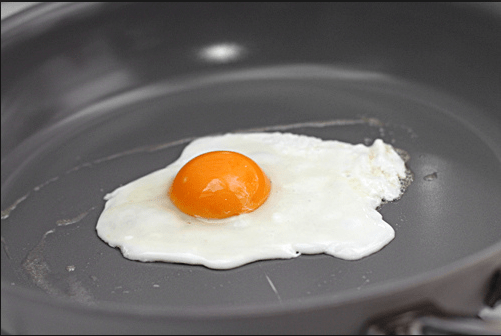
I didn’t realize until recently that my skin type is normal to oily.  Thinking back, I wonder why it took me so long to figure this out.  There were so many signs.  Like – camouflage would be nonexistent after just a couple of hours.  And – I have a younger sister who once joked that she could fry an egg on my forehead (It  inspired the featured image for this post).  Also – during an important  reception, my older sister discreetly held up her powder compact and motioned to me.

Had I realized my skin type earlier, I would have known what to stay away from (facial oils and thick creams) and it would have saved me a bunch of money, not to mention space in my medicine cabinet.

It’s okay though.  I’ve figured it out.  Better late than never, I say.

Here’s my regimen, complete with links to products that I’m using.  I also mention how long I’ve been using them and what the products do for me.

  • Prescription Strength Retin A that I get from my general practitioner.  Three times a week, applied at night and slept in.  One tube lasts me about a year.  It’s pricey (I think I paid about $160) but considering the results that I get, it’s completely worth it.  I consider myself a long time user (about 7 years).  I believe the hype when it come to Retin A (not to be confused with Retinol which comes from the same family but is a much milder version, doesn’t need a prescription, and not nearly as effective as quickly).  Retin A prevents wrinkles and fine lines and provides continuous cell turnover.  There are some drawbacks (like flaky, irritated skin, dry patches, and light sensitivity) but I’ve been using it for so long that I’ve learned how to deal with it – such as using it 3 times a week instead of every night.
  • A night balm – not a cream but a balm.  Used sparingly and only when my skin starts to show signs of dryness from the Retin A.  This is the one that I use.
  • A Vitamin C Serum – applied daily and in the mornings before the moisturizer.  It fades dark spots -especially when used in combination with Retin A.  Really. (I’ve been using this particular brand for 4 months now and I’ve seen considerable lightening of a small sunspot I had on my upper left cheek).  This is the one I use – expensive but worth it.
  • A moisturizer – This is a cream but it works for me.  I’m on my second jar.  The first one lasted 3 months.  I’ve tried all brands – from Neutrogena to LaMer to Sisley.  This is the only moisturizer that I’ve finished and bought again. There’s something about it, I’m not sure what, but that word ‘magic’…yeah. Here’s where to buy it to get free shipping.
  • Sunscreen – Applied daily.  Religiously.  Especially because I use Retin A.  It has to be at least SPF 30 and definitely broad spectrum UVA/UVB.  This recommendation comes with a caveat because there are so many sunscreens out there.  Knowing your skin type really helps when choosing the right sunscreen.  Also, if you’re darker complected, some sunscreens out there will produce a whitish cast that may not necessarily look natural.  This one works well for me.
  • A spot mask – for times when I feel a blemish coming on.  Thankfully, this is not often but it’s nice to have something handy for such times.  I’m on my second jar.  I’ve been using this product for more than a year.  It works…especially well when I catch a blemish early.  It works so well that my SO asks me to spot treat his skin whenever he feels a blemish coming on – that doesn’t happen very often either.  This stuff works better than a prescription as far as I’m concerned.

Full disclosure – This skincare regimen, considering the number of times I re-buy products, has an annual cost of $1,650.  This does not include visits to a dermatologist or my General Practitioner for my Retin A Prescription.

Reminder.  Know the skin you’re in!  This regimen won’t work for someone with dry skin.  It won’t work for someone with acne prone skin.  It may not even work for someone with normal skin.

A thought on focus


I had just gotten through running 4.5 miles on an early afternoon Sunday.  I don’t typically work out during the weekends but felt inclined since I’d only worked out three times during the week.  As I stood in the shower, I was thinking about what I’d have for lunch.   The leftover french dip sandwich in the fridge came to mind but so did the thought of “Oh but I shouldn’t eat bread”.  More ideas followed and each time there was an “Oh but I shouldn’t…” immediately afterward.

I rolled my eyes at myself.

It occurred to me that my focus needs to shift to the ‘shoulds’ instead of the ‘should nots’.

Perfect Example:  I should eat more veggies instead of “I shouldn’t eat bread”.

Although I suspect this subtle shift may take time to incorporate as a habit, I highly suspect it will lead to a happier existence.


Chicken Tacos

I’ve been making this dish for over 10 years.  It’s relatively easy to make – meaning it’s not a complicated recipe – but it does take some prep work and not a recipe that can sit in a pot and cook itself.  If you’re okay with being on your feet for about an hour in the kitchen, then read on.

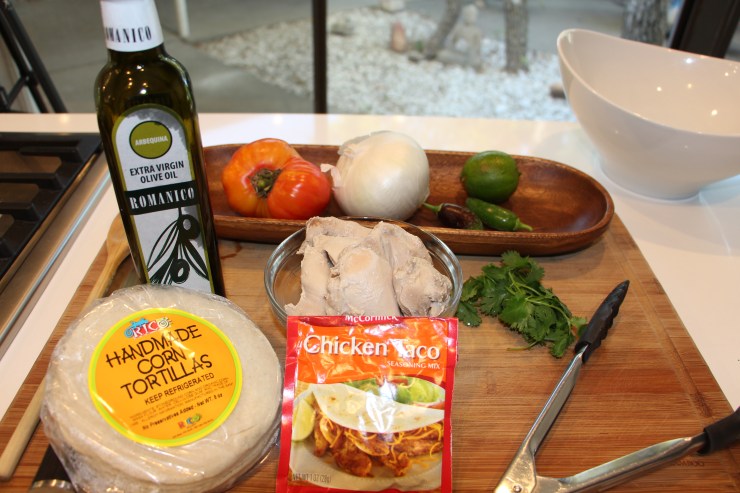
Just a warning that this is going to produce quite a few dirty dishes.  Most of the items that are needed for cooking are pictured below.  I’ve also made note of the omissions.

img_1568
Not pictured:  Fork to stir the pico de gallo ingredients, another medium sized bowl for the tortilla shells.  I used the white bowl for trash during the prep.

Here are the ingredients for dish:

IMG_1569

For the chicken:

  • About 1 lb of chicken thighs (excluding the bones).  I buy boneless.
  • 1 packet of McCormick’s chicken taco seasoning
  • 1/3 cup of chicken broth (for the taco seasoning)
  • 1/2 medium white onion sliced thinly
  • cooking oil (I prefer olive oil)
  • several sprigs of cilantro (roughly chopped) – optional

For the Pico De Gallo:

  • 1/2 medium white onion- diced
  • 1 large red or yellow ripe tomato or a few romas – diced
  • 1 large jalapeno or a couple of small ones (depending on what’s available)-diced
  • juice of 1 lime
  • cilantro (leaves only) – about 1/4 of a handful – roughly chopped into small pieces
  • sea salt to taste.  I put a lot of salt in mine.

For the shells:

  • corn tortillas
  • good frying oil (I prefer olive oil) but canola oil is also good.

Steps:

  • Start by boiling the chicken thighs on medium heat for about 25 minutes – lower to a simmer if the water starts to boil.  Remove the chicken thighs and allow to cool.  Reserve at least 1/3 cup of the water to use when mixing the chicken with the chicken taco seasoning.
  • Meanwhile, make the pico de gallo by combining all ingredients into a medium sized bowl, mixing well, then adding sea salt to taste.

IMG_1572

  •   Once the chicken has cooled, either dice it or shred it (I prefer to shred it with my hands because this allows me to remove the unwanted fatty parts).
  • Heat a medium sized pan over medium heat and pour enough oil in the pan to just coat the bottom. Allow to heat for about a minute then add the sliced white onions.  Mix the onions in the pan for a few minutes before adding the chicken.  Mix the chicken with the onions  then add the Chicken Taco Seasoning packet, followed immediately with the 1/3 cup of chicken broth.  Lower the heat to low to medium then incorporate the taco seasoning mix  by turning it into the chicken and onions repeatedly.  Continuously turn the mixture gently for a few minutes, adding a bit of cilantro for garnish.  Turn off the stove and set aside.  Cover the chicken to keep it warm or better yet, keep it in the warming oven while you prep the corn tortillas.
  • Line a medium sized bowl with several sheets of paper towel.  Heat a small pan over medium/high heat and pour about 1/4 inch of cooking oil into the pan. Allow the cooking oil to get very hot (it’s ready when the oil starts to look wavy).  Carefully place a small corn tortilla into the hot oil, allowing to fry for about 20 seconds before turning over.  Allow to cook for 20 seconds on the other side and, with a pair of tongs, carefully fold the tortilla in half to form a taco shell.  Place the tips of the tongs between the tortilla flaps to hold open while one side of it cooks.  After 20 seconds, turn the tortilla in the pan and cook the other side.  Lift the shell out of the pan and allow as much oil to drip off of the shell before transferring to the paper towel lined bowl.  My preference is to keep the cooked shells in the warming oven as I fry the others.

This recipe makes about 8 tacos.

It’s best to serve immediately after the shells have been fried.

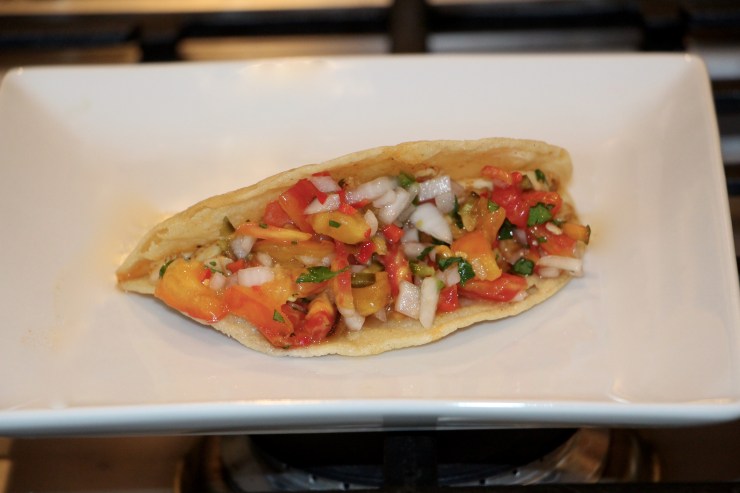
To serve, put about 2 ounces of chicken taco mixture into each shell and spoon a couple of tablespoons of the pico de gallo on top.

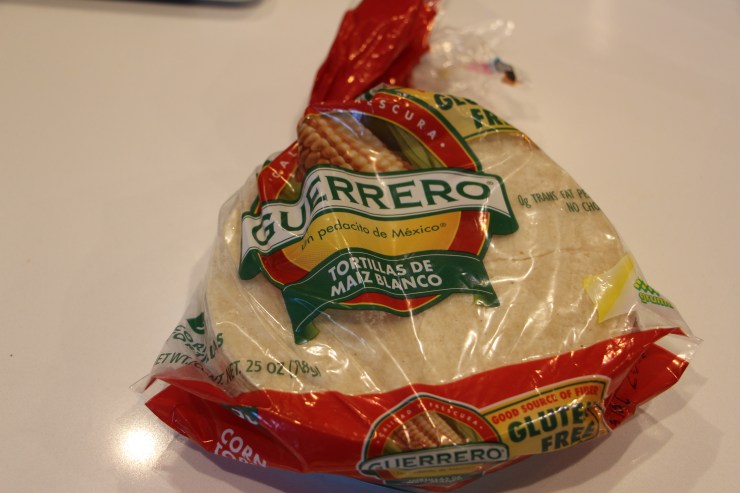
A note about corn tortillas:  The brand pictured below, I believe, is the best out there as far as taste is concerned.  The handmade corn tortillas I included in the ingredients picture is a local brand and good but not great.  The brand pictured below is great.  They’re thin enough that when they’re fried, they give a satisfying crunch while still being soft and chewy.

IMG_1597

Introduction to Car Camping

There are many types of camping, including glamping (my preference) but that’s not the type of camping I experienced recently.  By those of us who prefer glamping, the type of camping I subjected myself to is known as ‘primitive’ camping.  Definition of ‘primitive’ camping?  No electricity.  No wifi.  No plumbing.  No running water.

But “no worries” I said.

My fellow campers didn’t refer to it as ‘primitive’ camping.  Instead, they called it ‘car’ camping.  Reason being, camp is close to our parked vehicles and we used the car to hold all the gear that was needed for ‘primitive’ camping…err…car camping.

IMG_0525
Note proximity of tent to car (hence the term ‘car camping’)

It was actually fun once I got over the no running water or modern day plumbing.  Admittedly, that was the most anxiety causing aspect of this experience for me.  It helped that there were a few other girls (experienced campers) who acted like it was no big deal at all to walk away from the campsite carrying a roll of toilet paper.  So, when in Rome…

At night, we slept in our designated tents and in the mornings we’d get up, go to our vehicles and set up shop to make breakfast.  We each came equipped with our own Coleman camping stove(mine was brand new), a foldable table to use as a ‘counter’ for the stove and meal prep, and all the various things that are needed to make a meal.  Since this was my first time doing this, I was quite ill-prepared.  I forgot basic things (like cooking utensils) but made do with what I had (plastic flatware).

After breakfast, we’d clean up, pack the makeshift kitchen back into the car, then head off to nearby walls for rock climbing (I am a novice rock climber and have been for the past 4 years now).  In the early evening, we’d return to the camp site and reassemble the kitchen to make dinner.  And afterward, everyone would gather around the fire pit, build a fire, and enjoy a beverage (or a few) of choice.

My favorite memory about the trip was making breakfast and drinking coffee in the mornings.  My least favorite was the pick axe – I elaborate a bit below.

Overall, I absolutely loved it and I’m looking forward to doing it again.  I’ll be better prepared for the next trip though.  That’s because I’ve thought of a few ways to make it even more enjoyable.

Tips (for anyone thinking about car camping) and Observations (for me to keep in mind on my next trip):

  • Bring a small shovel to go along with the toilet paper.  That should be self-explanatory.  This is actually at the top of my list because my significant other brought along none other than a pick axe.  I could carry it without a problem but it was about half as tall as I am and was not at all discreet.
  • Invest in a sleeping bag that fits my frame.  My bag was too big for me (I had a loner from my 5’11” significant other [henceforth referred to as SO].  I found out that having a sleeping bag that is too big meant my own body heat wasn’t enough to keep me warm in the bag.  Since it was cold out, I was cold all night and didn’t sleep well at all.
  • I’m bringing an insulated mug.  I like a warm beverage in the morning (coffee).  I had a camping mug made of thick plastic – it didn’t keep my coffee hot for very long.
  • Bring regular cooking pots or pans (in smaller sizes).  Specifically for this camping trip, I invested in lightweight pots and pans that warped.  Because we were car camping, there was really no point in the lightweight pots and pans that apparently are only used by people who actually have to hike ( a long way) to their campsite.
  • Bring more firewood.  On both nights, I wish the campfire could have gone on for a longer period of time.  We actually ended up foraging for wood for the last campfire – kind of difficult to find once it gets dark in the middle of nowhere.  My companions were rock climbers though – they strapped their headlamps on and went looking.
  • Bring along a straw mat or rug for the entrance space immediately outside of the tent.  This was something I actually did this time and plan on doing again.   I appreciated being able to sit down on the mat to remove my shoes and socks (they were less than clean) prior to entering the tent.
  • Bring camp chairs.  I had chairs for this trip.  I loved having a comfortable chair in front of the campfire after a long day of hiking and climbing.
  • If camping in a wooded area, bring bug spray!  I did bring some (bugs love me) but I didn’t put it on.  Thankfully, we were not in a heavily wooded area and I did not get bit.  It was nice to know I was prepared though.
  • Pack wet wipes.  I brought Cetaphil facial cleansing wipes and ended up sharing them.  I plan on doubling up my supply for the next camping trip.
  • Pack a regular kitchen towel (or three) for drying dishes.  My SO packed some infomercial ‘super-absorbent’ ‘towels’ – they did not perform as advertised.

Ham and Egg Muffins

After seeing me post the same breakfast every day (two soft boiled eggs with a slice of toast) for nearly a month, my nutritionist asked that I make an effort to incorporate some variety, like oatmeal perhaps or  fruits and veggies.  She had to ask a dozen times more before I finally made an effort to comply.

This recipe is quick and easy and I make it the night before.  After letting cool, store in the fridge over night and heat in the microwave (covered) for a minute right before eating.  It’s also a great brunch recipe for guests, especially for those who prefer low carb dishes.  If not, then serve with toast :).

IMG_1524

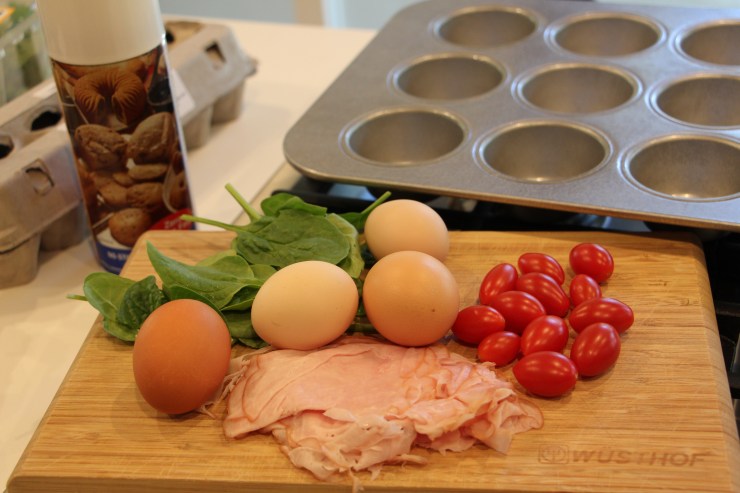
Ingredients (Makes 4 ham and egg muffins)

  • Your favorite ham from the deli (I used Boars Head smoked ham, sliced very thin)
  • Handful of baby spinach
  • 12 cherry tomatoes (cut in half lengthwise)
  • 4 small eggs

Heat the oven to 375 degrees fahrenheit, making sure that a rack is in the middle position.

Spray the desired number of cavities (4 in this instance) in a muffin tin with cooking spray or coat with a very thin layer of olive oil.

Line the muffin tins with a few thin slices of ham, making sure that the cavity is completely covered.

Layer a few sprigs of spinach over the ham.

IMG_1525

Next, put in 6 cherry tomato halves.

IMG_1526

Crack an egg in each muffin tin.

IMG_1527

Bake for 13 – 15 minutes for eggs over medium (yolks are still runny in the middle but whites are cooked through).

IMG_1530.JPG

It’s best to remove the muffins from the muffin tin with two small spoons.


Banana Pancakes

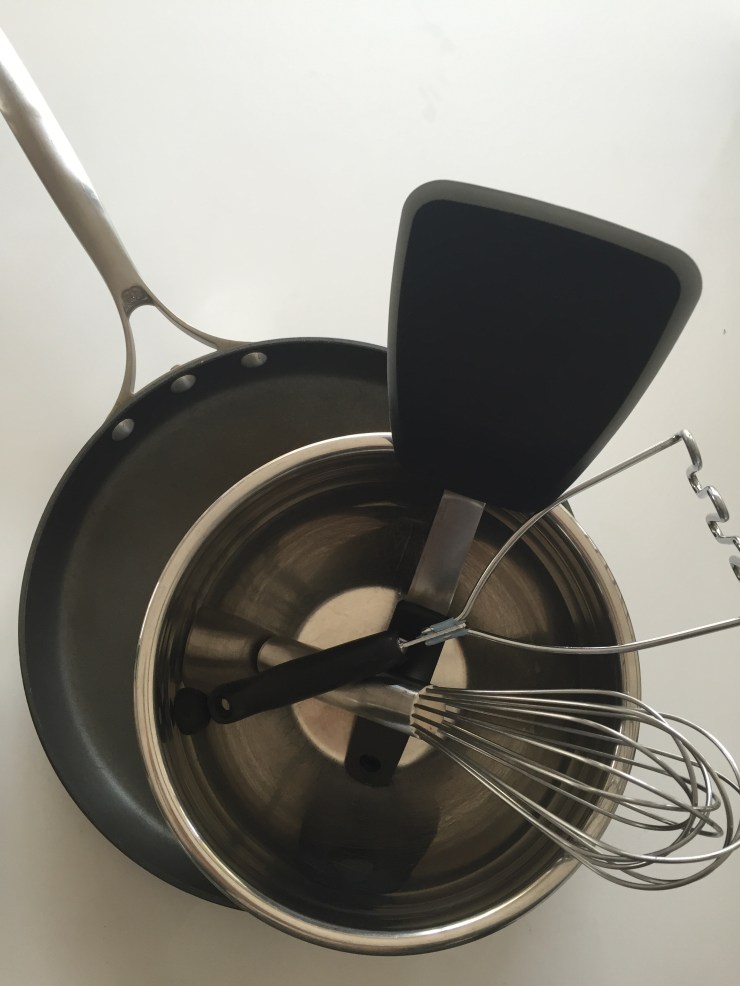
Pictured just below is the extent of dirty dishes you can expect (excluding a scoop to get batter into the pan and plates and utensils for serving).  I love making banana pancakes for a weekend breakfast.  It’s easy, absolutely delicious, and quick.  Due to food sensitivities, I use gluten free pancake mix but feel free to use any type of batter, including home made.  This is one of those recipes where I don’t measure anything so if this is frustrating, best to skip.  If interested though, recipe is below.

IMG_5745
Not pictured:  scoop for transferring pancake batter to pan

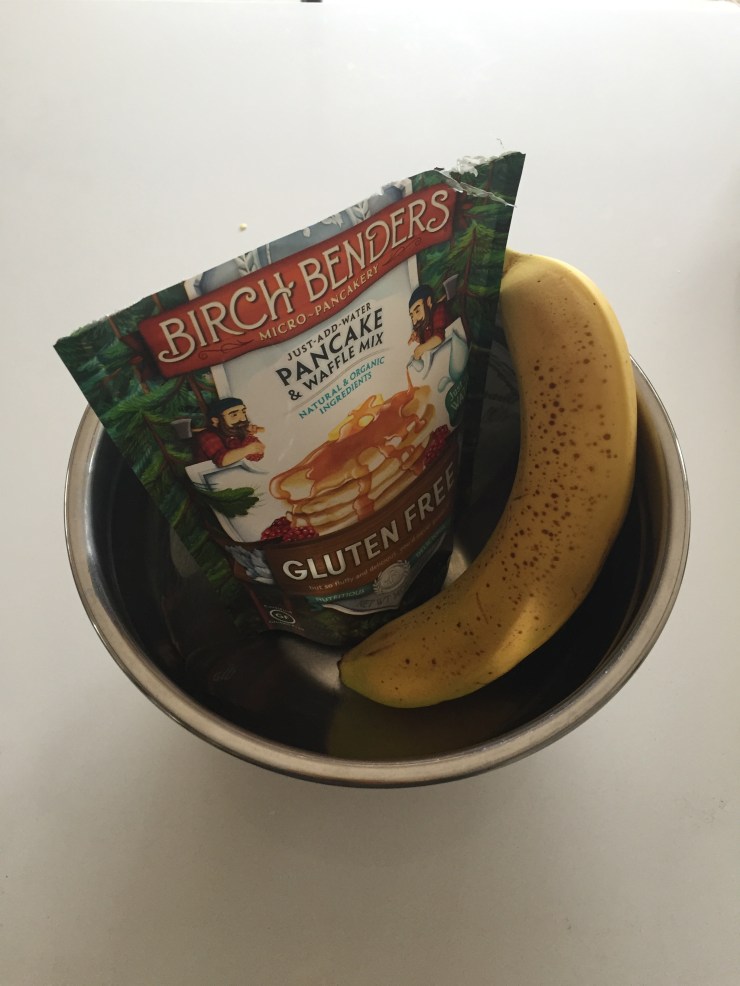
Ingredients:

  • pancake mix (the ‘just add water’ type)
  • 1 whole very ripe banana
  • water
  • favorite cooking oil (I prefer EVOO)
  • butter (optional)
  • Maple syrup (optional)

IMG_5744

Peel banana, break into several pieces and place in mixing bowl.  Mash the banana until liquidy, being sure to eliminate chunky pieces.

If using store bought pancake mix (I do), pour about 1 cup of pancake mix over the mashed banana then add enough water so that the batter is between thick and thin.  Tip:  Add the water a bit at a time.  If you’re able to see tracks in the batter as you swirl the beater to mix the batter with the banana, then that is the ideal consistency.  If you don’t see any tracks, this means you’ve added too much water and the batter is too thin for pancakes.  You’ll need to add more pancake mix to thicken it up a bit.  If making own batter, mash banana in separate bowl then incorporate in home made batter.

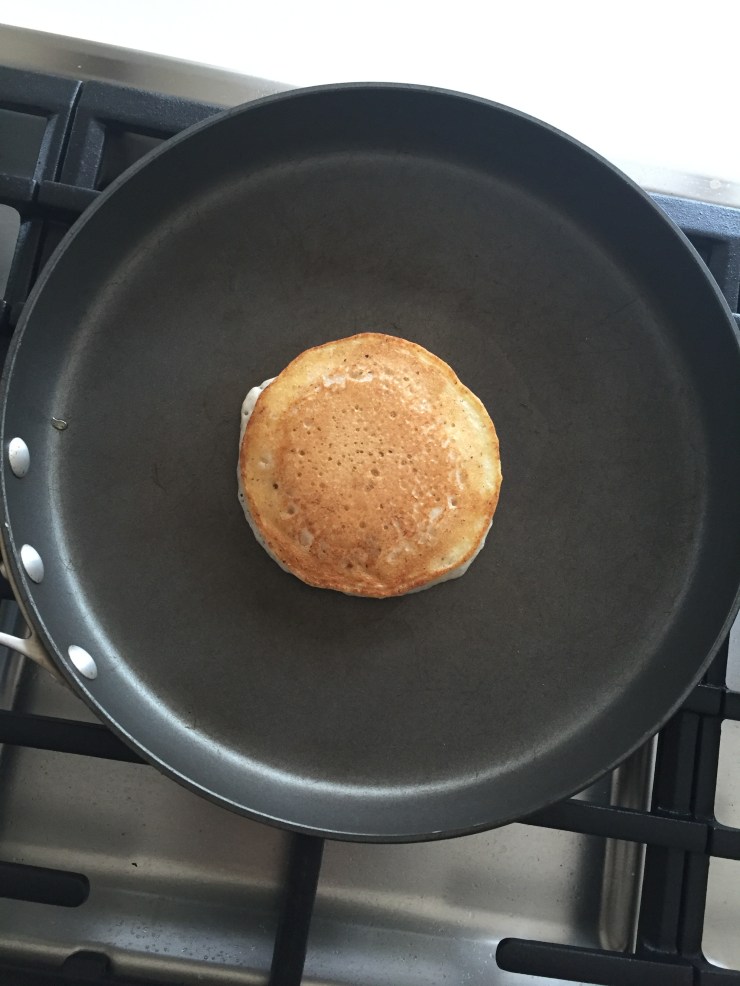
Once the pancake batter is ready, put a griddle (I prefer non-stick) on the stove and heat to medium.  Allow the pan to get good and hot before scooping pancake batter into the middle of the pan (I use a 1/3 cup measuring scoop and I find that this is a perfect size pancake for me – on the smallish side)  Stream about a tablespoon of oil to the side of the pancake then tilt the pan slightly so that the oil runs all around the sides of the pancake.  This will give you a nice, somewhat crispy pancake edge.  After about a minute or two, gently lift side with a spatula and check ‘color’.  It should look like this:

IMG_5746
Flipped pancake showing yummy golden color


If it does, then flip the pancake to reveal yummy golden color.  If it doesn’t, wait a few seconds, check again to make sure it’s a satisfactory color, then flip.  Allow the other side to cook (takes about another minute or so).  Remove from pan, stack on a plate, and put in a warming oven until other pancakes are done.  Note:  The second side won’t look as good as the first but that’s okay.  You only ‘need’ one side to look good for presentation’s sake.

Serve with a bit of butter and warmed maple syrup if desired.  It’s actually really delicious on its own though.

How to elevate: After swirling the oil around the rim of the pancake, drop chopped walnuts (my preference) or pecans on the exposed side of the pancake before flipping.  Talk about yummm!